Unlocking Success: How an AI Visibility Audit Can Elevate Your Online Presence
In the current digital environment, a large number of businesses fail to reach their desired level of visibility. An AI visibility audit provides a systematic method for identifying the root causes impacting online presence. Through the examination of critical metrics, companies can identify areas that need enhancement and uncover opportunities for expansion. Nevertheless, knowing how to successfully apply these findings remains critical. What strategies can be developed to guarantee a more robust online footprint?
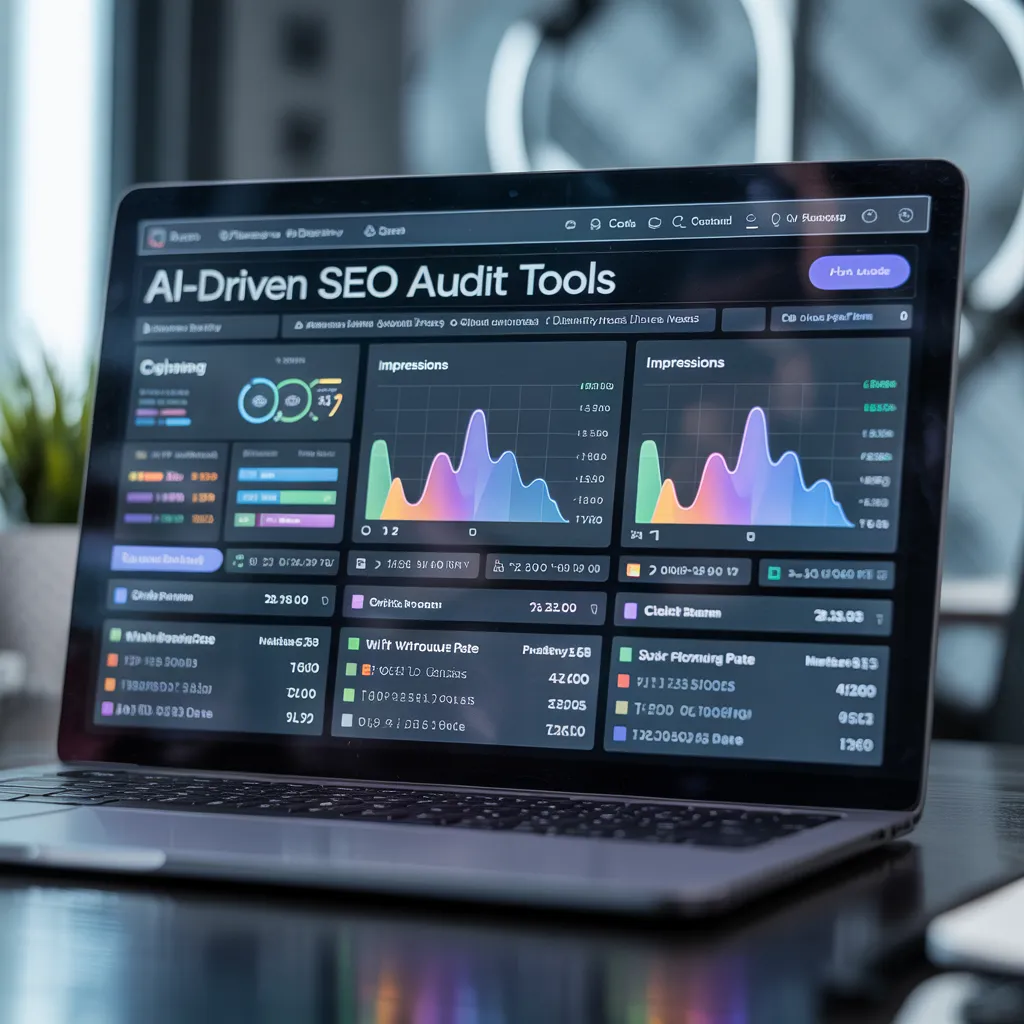
Why Your Brand Is Struggling With Online Visibility
Many brands have difficulty achieving digital visibility as a result of insufficient strategic direction and ineffective digital marketing strategies. This frequently stems from insufficient knowledge of intended audiences, leading to inadequately customized content that struggles to resonate. Furthermore, brands often overlook key channels including email marketing or social media, losing significant opportunities for interaction and growth.
Furthermore, inconsistent branding and messaging can confuse potential customers, causing them to overlook the brand entirely. Technical issues, such as a non-optimized website or slow loading times, also contribute to diminished online presence. Without routine performance monitoring, brands might be oblivious to how effective their approaches truly are, limiting their capacity to adjust and grow. At its core, these issues form a cycle of anonymity that is hard to escape, causing brands to fall short of the recognition required to thrive in today's demanding digital environment.
How Do AI Visibility Audits Actually Work?
AI-driven visibility audits operate through comprehensive data collection processes that analyze various online metrics. By reviewing performance indicators, these evaluations identify advantages and shortcomings in a business's digital footprint. This approach ultimately assists organizations determine how to improve their online visibility in a highly important information competitive environment.
Data Collection Methods
A complete AI visibility audit depends on a range of methods of data collection to measure how effectively AI platforms operate and interact with users. These techniques include automated web data collection, which gathers website data to evaluate the relevance of content and levels of user engagement. User feedback is also collected through feedback forms and reviews, offering valuable insights into the user experience and overall satisfaction. Additionally, data analytics platforms track how users behave, highlighting patterns in interactions with AI systems. Monitoring of social media records public sentiment and engagement levels, while system performance logs document system performance data and errors. Combining these methods delivers a complete perspective on AI system visibility and overall effectiveness, allowing organizations to locate opportunities for enhancement and optimize their online presence.
Performance Metrics Analysis
To evaluate the efficiency of AI systems, analysis of performance metrics serves a critical function in the process of visibility auditing. This analysis involves assessing essential factors such as accuracy, response time, and user engagement. Through the examination of these indicators, areas for improvement can be identified by auditors and measure the overall performance of the system. Furthermore, industry standard comparative benchmarks offer valuable context, permitting organizations to comprehend their position within the competition. The findings obtained through this analysis assist stakeholders in making well-informed decisions, ensuring that the AI systems align with business objectives. Ultimately, performance metrics analysis serves as a foundational component in the audit of visibility, uncovering strengths and weaknesses capable of driving strategic improvements and enhance online visibility.
Essential Metrics for Your AI Visibility Audit
In conducting a visibility audit for AI systems, multiple important metrics require close examination. Organic search traffic trends, social media interaction measurements, and an analysis of website loading speed offer critical insights into overall effectiveness. Examining these important factors can enable companies to gain clarity on their visibility and performance in engaging their desired audience.
Natural Search Traffic Patterns
Comprehending unpaid search traffic trends is fundamental for carrying out an efficient AI visibility audit. These trends reveal how website visitors find content through search tools, showcasing the efficiency of SEO approaches. Critical metrics to assess comprise keyword performance, click rates, and traffic origins. An increase in organic web traffic typically reflects effective optimization strategies, while reductions could indicate issues needing attention. Analyzing seasonal shifts can further reveal details about user behavior and content applicability. Moreover, understanding the geographical distribution of online traffic can direct precise marketing initiatives. By examining these metrics, companies can discover chances for growth, guaranteeing their digital presence remains strong and in tune with audience demands. This review is fundamental for optimizing visibility and fostering long-term growth.
Social Media Activity Metrics
Analyzing social media interaction data is crucial for a complete AI visibility audit. These metrics provide insights into how followers interact with content across diverse platforms. Essential measurements encompass likes, shares, comments, and overall reach, which together reflect the effectiveness of social media campaigns. High engagement rates suggest that content connects with the target audience, while poor performance might suggest a need for optimization. Moreover, monitoring follower growth and audience demographics can help recognize patterns and guide future content creation. Interpreting these indicators empowers organizations to adjust their social media strategies, enhancing visibility and fostering a more powerful online presence. At its core, measuring social media interaction is critical to maximizing results and reaching business goals.
Site Load Speed Review
Website load speed is a critical factor influencing user experience and overall site performance. Sluggish website performance can discourage users, contributing to elevated bounce rates and decreased engagement. For organizations, this results in missed opportunities and reduced revenue potential. An AI visibility audit assesses load speed by examining critical metrics including time to first byte, fully loaded time, and page size. These metrics help identify bottlenecks in performance, allowing for targeted optimizations. Moreover, search engines give preference to faster websites within their ranking algorithms, making load speed vital for boosting search visibility. By resolving load speed concerns, businesses can boost user satisfaction, strengthen SEO results, and ultimately achieve greater conversion rates.
Finding Gaps in Your Online Presence
A robust web presence is crucial for businesses seeking to thrive in a modern online marketplace. Identifying gaps in this digital footprint is vital for boosting exposure and audience connection. An AI-powered visibility assessment can thoroughly assess key elements, such as website content, social media activity, and search engine optimization. By reviewing these components, organizations can identify weaknesses where they underperform compared to competitors.
Typical gaps can involve obsolete content, limited social media interaction, or low search engine rankings. The review also uncovers missed opportunities in targeting specific demographics or leveraging emerging platforms. Additionally, it assesses key user experience elements, including mobile responsiveness and accessibility, which can substantially affect audience engagement and retention.
Addressing these gaps allows businesses to better align their strategies with audience expectations , ultimately building a more unified and impactful online presence. This forward-thinking approach not only enhances visibility but also cultivates stronger relationships with potential customers.
Actionable Tactics for Boosting Your Brand's Online Visibility
Weaknesses found in a brand's digital footprint can provide a foundation for enhancement. To enhance visibility, brands should first optimize their website for search engines, confirming that keywords correspond with the right demographic. Furthermore, compelling content—including blog articles, videos, and infographics—can draw in and hold the attention of users, fostering a loyal community.
Using social media channels is a highly effective method; brands should continuously post relevant content and engage with followers to foster relationships. Partnering with key influencers can also significantly enhance reach and credibility.
Email marketing continues to be a powerful tool; personalized campaigns can re-engage past customers and nurture leads.
In conclusion, monitoring analytics allows brands to refine their strategies based on up-to-date information. By applying these focused strategies, brands can significantly improve their digital footprint, fostering growth and engagement in an increasingly digital landscape.
Measuring the Results of Your AI Discoverability Review
Progress in an AI performance review can be measured through multiple metrics that indicate a business's online standing. Key performance indicators (KPIs) like organic traffic, search engine rankings, and engagement rates function as baseline measures. Examining the rise in keyword visibility can offer perspective on the efficiency of improvement initiatives. Moreover, monitoring social media metrics, encompassing shares and interactions, assists with determining audience engagement.
Conversion rates further exemplify the audit's significance by illustrating how successfully the website transforms visitors into customers. A comprehensive analysis of pre- and post-audit data will demonstrate measurable improvements. Furthermore, leveraging tools such as Google Analytics and SEO platforms can provide greater insights into user behavior and website performance. By methodically reviewing these metrics, brands can gauge the overall impact of their AI visibility audit, empowering them to make well-informed decisions for sustained digital strategies.
Commonly Asked Questions
How Long Does an AI Visibility Audit Typically Take?
An AI visibility audit typically takes one to two weeks based on the complexity of the digital presence under evaluation. Factors influencing the duration include the extent of the website, the quantity of data needing review, and the particular goals of the audit. In-depth assessments may demand more time for extensive analysis and strategic planning, ensuring that all aspects of visibility are thoroughly addressed to enhance digital performance.
What Tools Are Used for AI Visibility Audits?
Multiple tools are employed for AI visibility audits, comprising SEO analysis platforms like SEMrush and Ahrefs, which evaluate keyword rankings and website performance. Google Analytics offers valuable data on user behavior, while social media monitoring tools analyze engagement on multiple platforms. Moreover, artificial intelligence tools like Clearscope and MarketMuse assist in optimizing content for discoverability and relevance. These resources collectively enable a comprehensive assessment of digital presence and highlight opportunities for improvement.
Do Small Businesses Stand to Gain From AI Visibility Audits?
Small enterprises can significantly gain from AI-driven visibility audits. These audits identify strengths and weaknesses in online presence, helping to optimize digital strategies. By harnessing analytics-driven insights, small enterprises can boost their search engine standings, elevate customer interaction, and customize marketing initiatives more efficiently. Ultimately, this can lead to increased visibility, bringing in more customers and stimulating expansion in a competitive environment. The comprehensive insights offered by AI tools are essential for small companies.
How Regularly Should I Run an AI Visibility Audit?
An AI visibility audit should typically be conducted on a quarterly basis to confirm a business's online presence remains optimized and competitive. This schedule enables prompt modifications in reaction to evolving algorithms, trends, and consumer behaviors. Furthermore, seasonal evaluations can help identify particular opportunities or obstacles that emerge throughout the year. Regular audits not only enhance visibility but also support continuous strategic planning for small businesses aiming to improve their digital footprint.
Are Technical SEO Elements Covered in AI Visibility Audits?
Absolutely, technical SEO is generally incorporated into AI visibility audits. These audits analyze key components of a website's overall performance, such as loading speed, mobile responsiveness, and proper indexing. By reviewing technical aspects, the audit determines areas needing improvement to strengthen search engine visibility. This guarantees that a website remains both user-friendly and search engine optimized, which ultimately supports a stronger online presence and more effective search result performance.